How To Choose High-Quality Elder Home Care
Welcoming Support Into Your Home with Confidence
Inviting elder-home care into a loved one’s home can feel like a big step. It often comes with mixed feelings, like hope, worry, relief, and even guilt. As daily life gets busier and the days grow longer, you may notice more moments when your loved one needs help to stay safe and comfortable.
Saying yes to help does not mean you are failing your loved one. It means you care enough to make sure they are not facing the day alone. When you learn how to recognize quality elder home care before it starts, you can feel more at peace, spend more meaningful time together, and know that daily routines are safer and kinder.
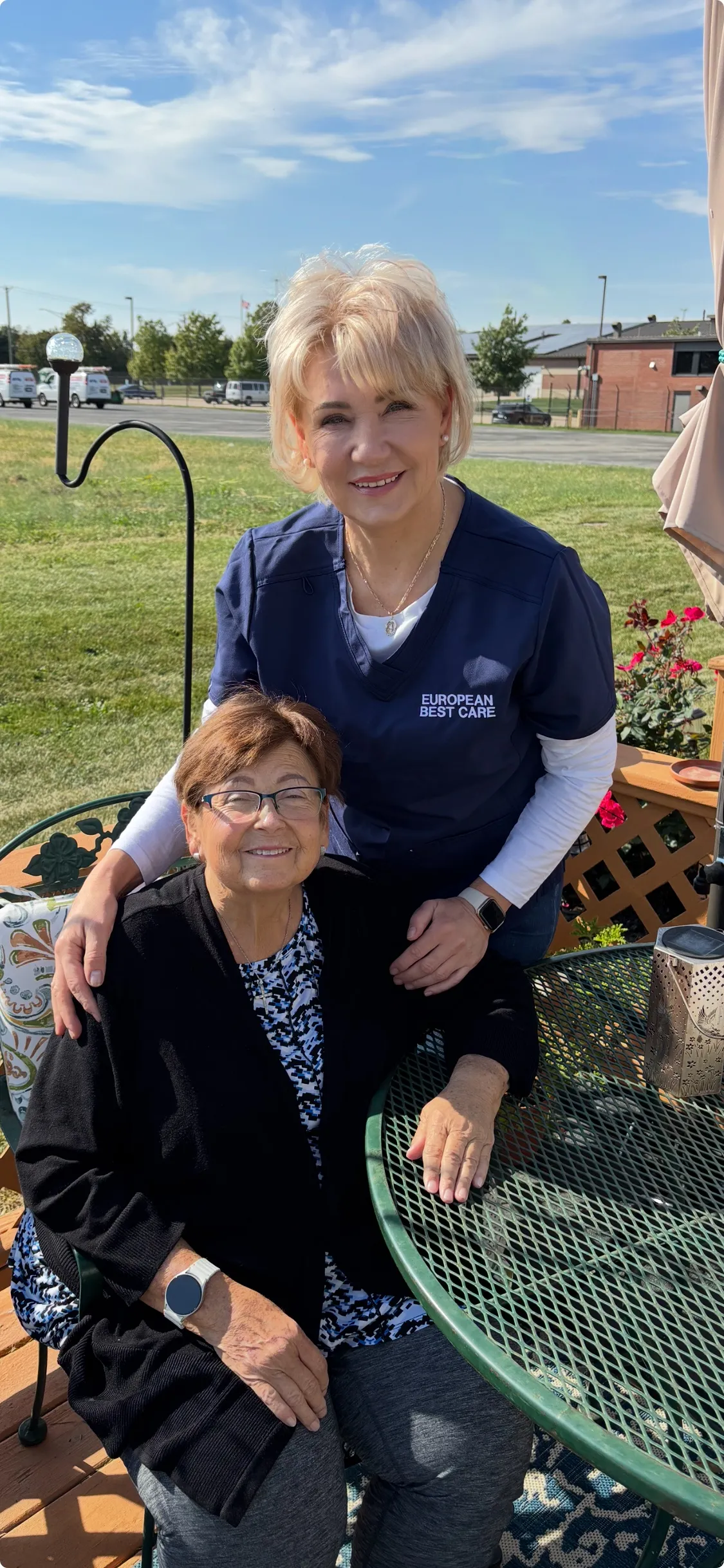
At its best, elder home care blends professional skill with a caring heart. Caregivers support with daily tasks, but they also listen, share conversation, and respect the person behind the care plan. This combination helps seniors stay comfortable, engaged, and honored in the place they know best, their own home.
Signs a Loved One May Be Ready for Home Care
One of the hardest parts is knowing when it is time to invite help in. Often, the signs show up in daily routines first. For example, you might notice trouble bathing or showering without help, wearing the same clothes for days, or struggling with buttons and zippers. Mealtimes can also become harder, such as skipping meals or eating only snacks because cooking feels too difficult. Medication routines may slip too, including forgetting to take medications or taking them at the wrong time.
You may also see safety and health concerns begin to add up. This can include recent falls or near-falls, even from simple tasks like getting out of a chair. In some cases, there may be wandering or getting turned around, especially with dementia or memory loss, along with confusion in new places like a store, doctor’s office, or family event. Missed medical appointments or difficulty following care instructions can be another sign that extra support is needed.
Emotional and social changes can be just as telling. A loved one who once enjoyed visits or hobbies may spend more time alone in their room or favorite chair, seem more irritable, worried, or easily upset, or start saying no to family gatherings, walks, or phone calls they once enjoyed. These shifts can signal that your loved one is craving both structure and warm companionship. Elder home care can gently fill in those gaps so your loved one feels supported instead of overwhelmed.
What Quality Elder Home Care Really Looks Like
Quality care starts with listening. Strong home care agencies take time to learn about your loved one as a whole person, not just a list of needs. A good care plan should be:
• Personalized to daily routines, like preferred wake-up times and meal habits
• Respectful of cultural and spiritual preferences
• Thoughtful about health needs, from mobility to memory support
• Flexible enough to grow and change over time
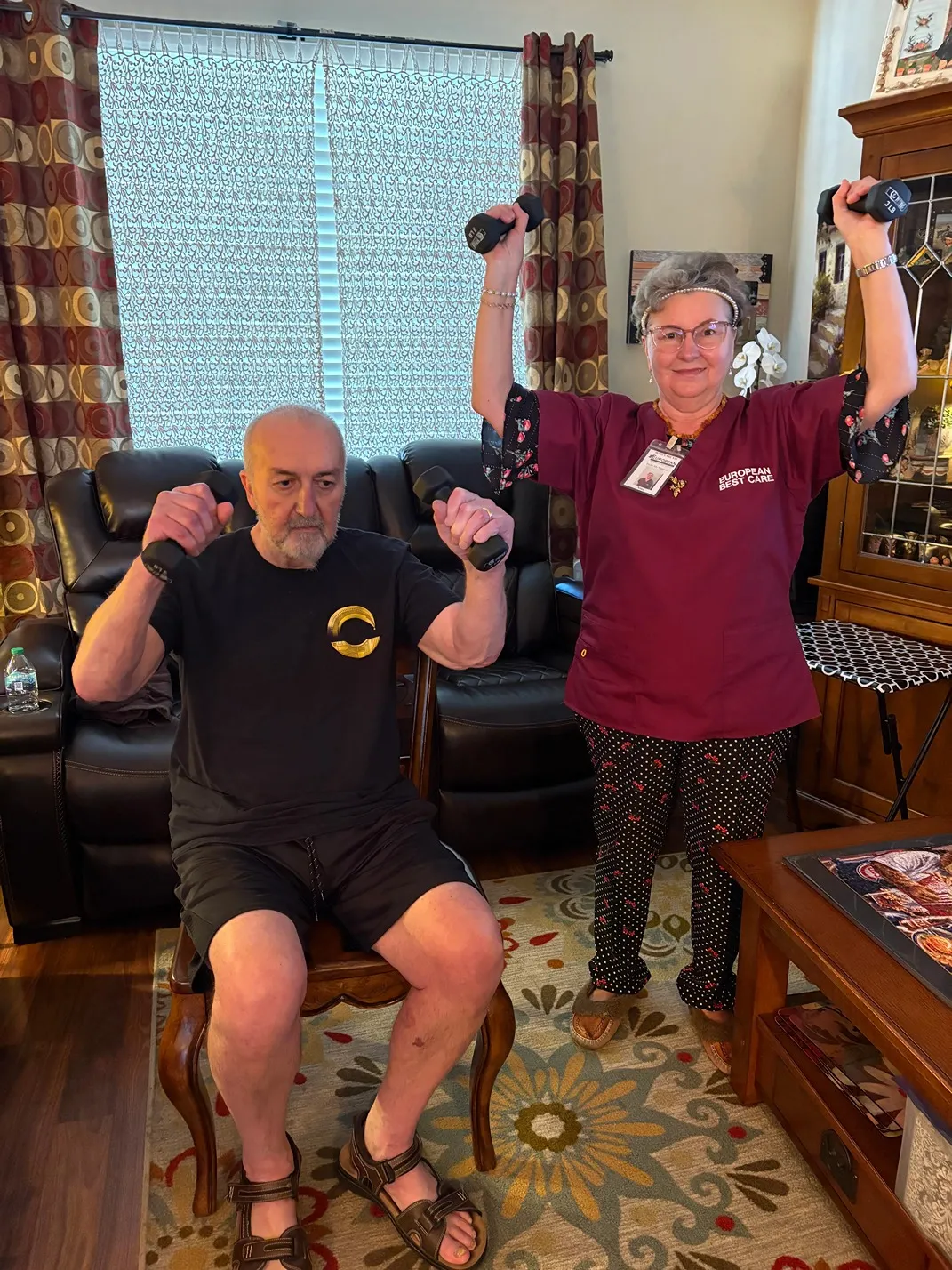
Companionship is just as important as physical help. The right caregiver will not only do tasks, but they will also listen to stories and encourage conversation, share simple activities such as light exercise, safe walks, music, or puzzles, and offer calm encouragement on hard days.
Safety should be part of daily life, not something that feels strict or limiting. A quality caregiver focuses on:
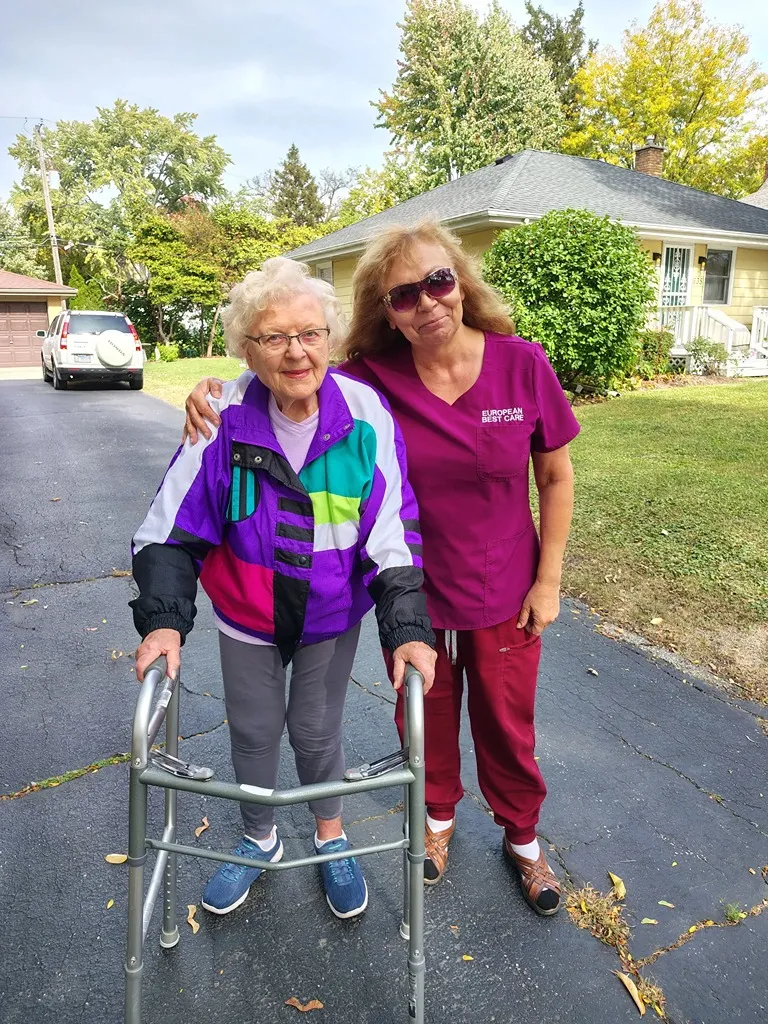
• Supporting safe movement around the home
• Helping with medications as directed by the care team
• Watching for small safety risks, like cluttered walkways or poor lighting
• Encouraging independence while staying close by in case help is needed
When care is done well, your loved one feels capable, not controlled.
Questions to Ask Before Inviting Caregivers in
Before you welcome caregivers into the home, it helps to ask clear questions. For training, experience, and oversight, you might ask:
• What kind of training do your caregivers receive?
• Do caregivers receive specific education related to dementia or memory care?
• How do you handle background checks and reference checks?
• Who supervises caregivers and how is performance reviewed?
Good communication matters for peace of mind. To understand how an agency stays connected, consider asking:
• How will you keep our family updated about day-to-day care?
• What happens if a caregiver is sick or needs a schedule change?
• How do you handle concerns or questions from families?
• Do you coordinate with doctors, therapists, or other care providers when needed?
Compatibility and shared values make a big difference in how care feels. It is helpful to learn:
• How do you match caregivers with clients?
• What happens if the personalities do not fit well?
• How do you make sure caregivers treat each person with respect and kindness?
The answers should leave you feeling heard, not pressured.
Recognizing Genuine Compassion in a Home Care Agency
You can often feel true compassion from the very first contact. A caring home care agency will take time to listen to your story without rushing, ask about your loved one’s interests, history, and daily likes and dislikes, and offer information at a calm pace so you never feel pushed into a quick decision.
Pay attention to the words people use. Respectful care focuses on what your loved one can still enjoy and do, even if support is needed. The conversation should not only be about limitations, diagnoses, or what is “wrong.”
Flexibility is another sign of caring support. A strong agency will:
• Welcome your input as part of the care team
• Adjust care plans as seasons, health needs, and family schedules change
• Support family caregivers with empathy, not judgment, when things feel hard
You should come away feeling like you have a partner, not just a service.
Special Considerations for Dementia and Respite Care
When a loved one is living with dementia, you need caregivers, who understand memory changes and how they affect daily life. It is helpful to look for care that includes:
• Training in gentle redirection, not arguing or correcting
• Calm, clear communication and a soothing tone
• Approaches that reduce confusion and agitation instead of adding to it
People living with dementia often feel safer with a steady routine. Quality elder home care can set simple, predictable daily schedules, bring familiar activities into each day like music, folding towels, or looking at favorite photos, and offer steady reassurance when changes, such as different daylight hours or appointments, feel overwhelming.
Respite care is also important for family caregivers. Caring for someone you love takes a lot of energy, both physically and emotionally. Regular breaks let you rest and recharge, keep up with work or the other family needs, and travel or attend events knowing your loved one is safe and cared for. With the right support, family caregivers can stay involved without feeling like they must do everything alone.
Taking the Next Step Toward Safe, Comforting Support
If you are starting to wonder whether elder home care could help, pay attention to that feeling. Think about your loved one’s safety, daily routines, and mood. Ask yourself if you feel confident leaving them alone, or if small worries are turning into big ones.
Many families find it helpful to create a simple checklist of priorities, such as:
• Safety at home and during daily tasks
• Steady companionship and social connection
• Dementia or memory care understanding, if needed
• Flexibility for changing schedules and seasons
Use your list when you speak with potential home care providers so you stay focused on what matters most to your family. At European Best Care, we understand how personal this decision is, and we are here in the community to offer warm, thoughtful support as you explore what comes next for your loved one.
Support Your Loved One With Compassionate Care At Home
Choosing care for an aging parent or relative can feel overwhelming, and we are here to guide you every step of the way. At European Best Care, we take time to understand your family’s needs so we can tailor our elder home care services to match your loved one’s routine, preferences, and health goals. Reach out today to talk with our team about your situation, ask questions, and explore the best options for safe, comfortable care at home. Together, we can create a plan that helps your loved one stay independent and supported where they feel most at ease.