

Welcoming Gentle Companionship Into Your Loved One’s Home
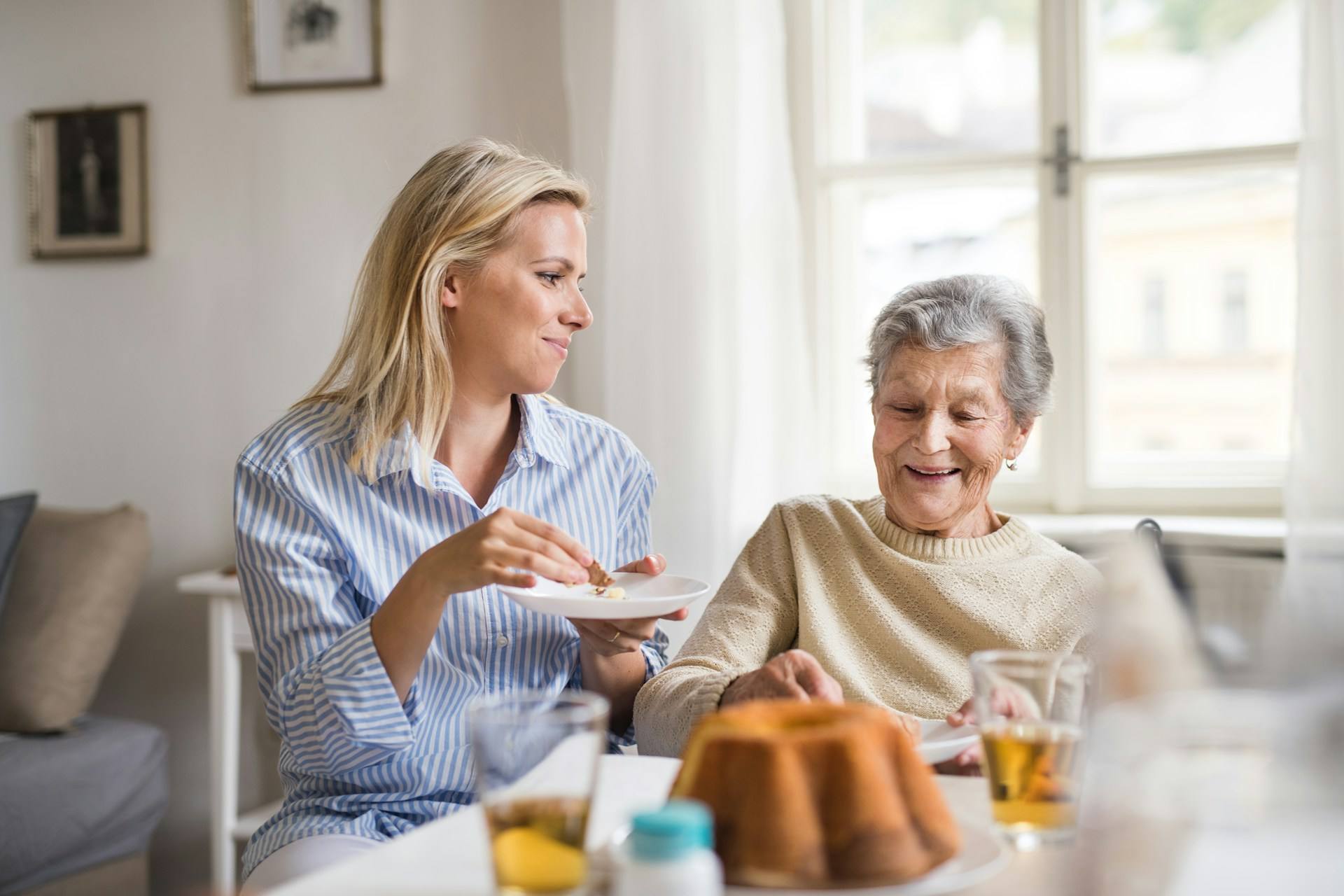
Elderly companionship at home can turn long, quiet afternoons into calm, comforting time. Instead of sitting alone in front of the TV, a senior can share stories, laugh, enjoy a cup of tea, or simply rest knowing someone kind is nearby. Those small moments of company can bring a deep sense of safety and peace.
Companionship is more than help with chores. It is steady emotional support, patient conversation, and respectful assistance with daily tasks. It allows seniors to stay in the homes they love, while still feeling connected and cared for. Our team focuses on warm, in-home support that keeps dignity and comfort at the center.
At European Best Care, we walk with families as they introduce elderly companionship in gentle, thoughtful steps. We move at a pace that honors each person’s habits, personality, and favorite routines. In this article, we will talk about how to tell when companionship might be needed, ways to prepare heart and home, how to make first visits feel natural, and how to keep trust strong over time.
Understanding When It’s Time for Elderly Companionship
It can be hard to know when to bring a new person into your loved one’s daily life. Often, the first signs are emotional. You might notice your parent talking less on the phone, dropping hobbies they used to enjoy, or sounding low and tired after long days alone. Even small comments about being lonely at night can be a quiet call for more human connection.
Some signs are more practical and relate to safety. These might include:
- Missed or mixed-up medications
- Small kitchen mishaps, like burned pots or forgotten items on the stove
- Unopened mail or late bill notices piling up on the table
- Trouble keeping up with light housekeeping or simple meals
Family signs matter too. Many adult children find that visits become all about cleaning, doing laundry, or sorting papers. There is less time to sit and talk or simply hold hands. Worry can build when you leave, especially if you live or work far away. Wanting another caring adult in the home is a loving way to share this responsibility.
Choosing elderly companionship is not giving up. It is a way to build a circle of care so your loved one can stay home with as much independence as possible. Instead of one person trying to do everything, there is a small team that brings calm, steady support.
Preparing Heart and Home for a New Companion
Once your family agrees that it might be time for extra help, the next step is preparing your loved one emotionally. Many seniors fear that accepting help means losing control. Gentle, honest talks can help:
- Start from a place of respect, not worry or pressure
- Ask what feels hard for them right now, and listen quietly
- Explain that companionship is support, not a takeover of their life
- Promise that they will have a say in who comes and what they do
On the practical side, think about making the home ready for someone new. Small safety checks can make a big difference. Look at lighting in hallways, loose rugs, and crowded walkways. Create a cozy spot for shared activities, like a chair by a window or a seat at the kitchen table. Keep important phone numbers, medication lists, and daily routines written down and easy to find.
Family alignment is also important. Before a companion ever steps inside, try to get siblings and close relatives on the same page about:
- What kind of help is wanted
- What times of day support would be most helpful
- Who will be the main point of contact
This way, your loved one hears a calm, unified message instead of mixed signals. At European Best Care, we value these early talks. We work with families to build care plans that match long-held traditions, daily habits, and cultural preferences, especially around special meals or family gatherings.
Making the First Companion Visits Feel Natural and Warm
The first visits set the tone. They should feel simple and relaxed, not rushed or clinical. Shorter visits in the beginning can help everyone warm up. Early time together can focus on light, easy activities like:
- Sharing tea on the porch or by a sunny window
- Looking through photo albums or old recipe cards
- Listening to favorite songs from younger years
- Watching a favorite TV show and chatting during breaks
Personality matching is a big part of success. We pay attention to hobbies, sense of humor, language, and communication style. A quiet senior may prefer a calm, soft-spoken companion. A social senior may enjoy someone who likes to chat and laugh. The goal is for the companion to feel like a trusted friend, not a stranger with a list.
Respect for pace and privacy matters. Your loved one should feel free to say what they do and do not want help with. Maybe they want to keep bathing private but welcome help with laundry or meal prep. When a senior knows their wishes are honored, their sense of dignity grows.
In summer, time together might include sitting outside in the evening, enjoying a light snack, or listening to neighborhood sounds. Simple seasonal touches like these can help companionship feel like a gentle celebration of everyday life at home.
Nurturing Ongoing Trust in Elderly Companionship at Home
As the weeks pass, consistency can make companionship feel safe and steady. Familiar faces and predictable routines help seniors know what to expect. When visits start and end on time, trust grows. Over time, many seniors begin to look forward to these visits as a bright spot in their day.
Clear communication keeps everyone informed. Companions can share observations like small mood changes, shifts in appetite, or new worries your loved one brings up. Families can then adjust the care plan as needs change, such as adding more time for meal support or gentle walks.
Companions often become caring listeners. They offer calm during health setbacks or emotional dips, such as after a hospital stay or during quiet holidays. Simple actions like reading aloud, helping with light stretching, or encouraging a short walk can support emotional well-being.
At European Best Care, we support our companions with guidance and regular check-ins. Our focus stays on preserving as much independence as possible, while thoughtfully stepping in only where help is truly needed. This balance keeps seniors feeling strong, not sidelined.
Taking the First Kind Step Toward Gentle in-Home Care
Beginning elderly companionship at home usually starts with one simple, loving talk. Sit with your loved one during a calm time of day. Ask what would make life feel easier, safer, and more enjoyable. Keep the focus on comfort and choice, not on what they can no longer do. Present companionship as extra support that lets them stay in charge.
From there, families often find it helpful to speak with a trusted in-home care provider and ask questions about services, timing, and how trial visits work. At European Best Care, we help design a gentle, personal path into companionship that honors each senior’s story and daily rhythm. There may never be a perfect moment to begin, but a kind, thoughtful first step can bring your loved one the simple gifts of company, safety, and peace in the home they love.
Discover Personalized Support And Meaningful Daily Connection
At European Best Care, we focus on building real relationships that bring comfort, safety, and joy to everyday life. If your loved one could benefit from trusted elderly companionship, we are ready to listen, understand your needs, and tailor a plan that truly fits. Reach out today so we can explore how our caregivers can provide the social connection and practical support your family deserves.