

This article is for general information and does not replace medical advice.
Turning a Stressful Discharge Into a Gentle Homecoming
Bringing a loved one home from the hospital can feel both hopeful and scary at the same time. You want them in their own bed, with familiar sights and sounds, but you may also worry if home is really safe enough, especially after surgery, an illness, or a fall.
The truth is, the real healing often starts once your loved one walks through the front door. How those first days and weeks go can either bring calm and steady progress, or lead to setbacks and new worries. This is where senior home care services can make a big difference, creating a soft landing between hospital care and living safely at home again.
With the right support, families can take a deep breath, knowing there is a caring team walking beside them. Instead of feeling alone and rushed, the transition can feel more like a gentle homecoming filled with patience, warmth, and steady help.
Why the Hospital-to-Home Transition Is So Risky
Leaving the hospital often happens quickly. One minute there are nurses, doctors, and helpers everywhere, and the next minute you are handed a stack of papers and told it is time to go. For many seniors, this shift feels sudden and confusing.
Common challenges right after discharge can include:
- Tiredness and weakness that make simple tasks feel hard
- Pain or discomfort that affects mood, sleep, and movement
- Confusing medication directions or changes in routine
- A higher risk of falls in the first weeks back at home
There is also a big emotional impact. Seniors may fear going back to the hospital, feel unsure about their bodies, or feel lonely once the steady stream of staff and visitors slows down. Family caregivers may feel anxious, worrying about missing a medication time or a warning sign.
Late summer can bring its own concerns. Warmer days can make it easier to get dehydrated, and some homes feel hotter and stuffier. Routines may be changing as families prepare for fall plans, school schedules, or travel, which can leave less time to give constant support at home. All of this can make the transition feel even more stressful.
How Senior Home Care Services Support Safe Recovery
Senior home care services are designed to gently fill the gap between hospital care and full independence. A trained caregiver can step in to help with the wide mix of daily tasks that suddenly feel hard after a health setback.
Practical support might include:
- Help with bathing, dressing, and grooming
- Support with walking, transfers, and safe movement around the home
- Light housekeeping, laundry, and keeping key areas tidy
- Meal planning and simple cooking that fits any diet guidelines
- Transportation to follow-up visits or therapy sessions
Caregivers can also help keep discharge instructions on track. While they do not replace medical professionals, they can:
- Offer reminders for medications at the right times
- Notice when something seems "off," such as unusual confusion or changes in appetite
- Share concerns with family so decisions can be made quickly with the medical team
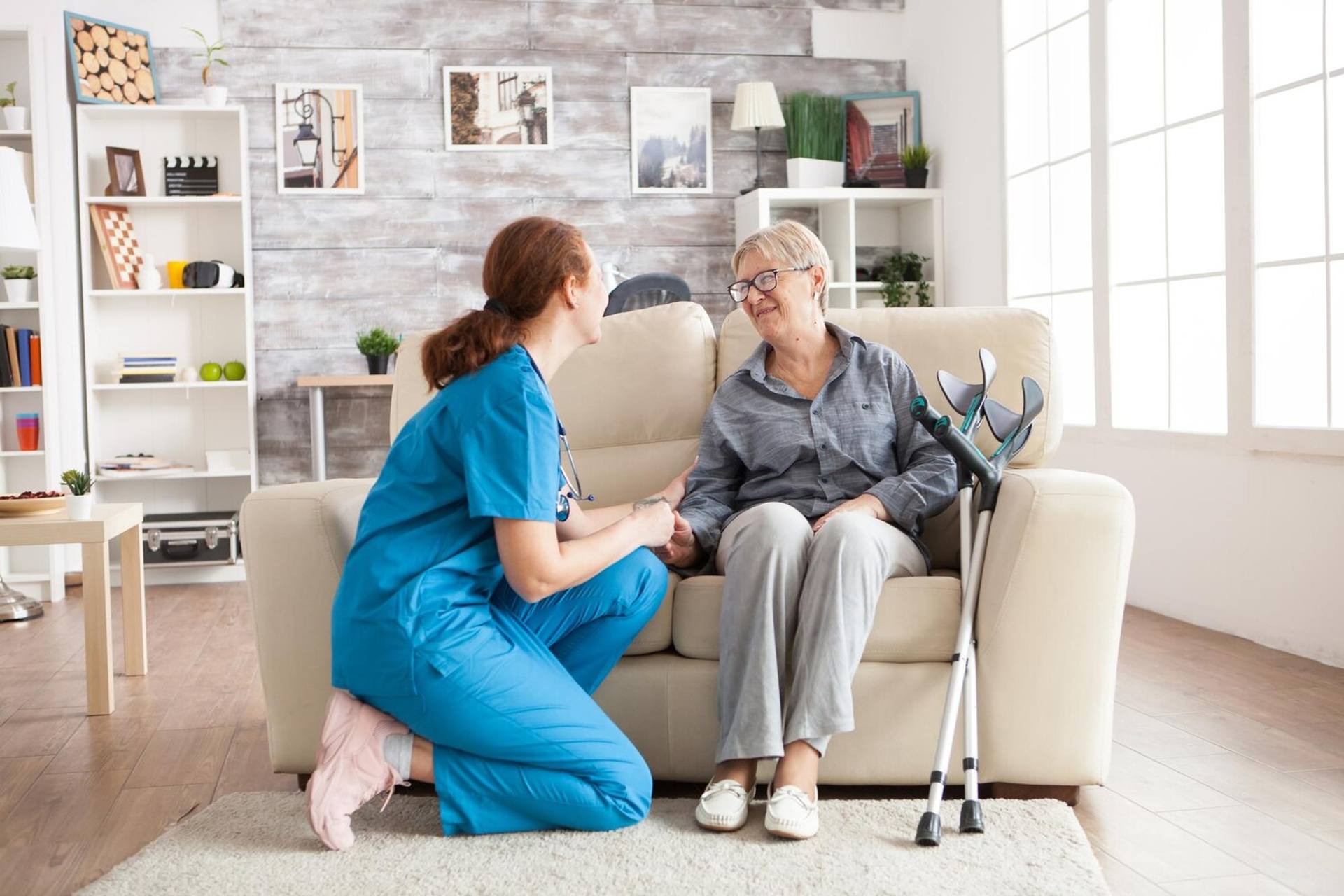
The emotional side is just as important. Having a calm, friendly person there brings comfort. Gentle conversation, encouragement to rest, and a reassuring presence can lower anxiety. Many seniors heal better when they feel heard, unhurried, and supported, instead of rushed or alone.
Creating a Personalized Care Plan Before Your Loved One Comes Home
Planning ahead while your loved one is still in the hospital or a rehab center can ease a lot of stress. Instead of scrambling after discharge, you have a clear plan for who will help and what each day will look like.
A personalized care plan can cover:
- A schedule of visits that matches your loved one’s energy level
- Daily routines, including wake-up times, meals, and rest periods
- Personal preferences, such as favorite foods, hobbies, and comfort items
- Mobility needs, like help with stairs, transfers, or using a walker
- Support around long-term health issues, such as memory changes or breathing problems
At European Best Care, we work closely with families and, when appropriate, with healthcare teams to understand what is recommended. Our goal is to align senior home care services with medical advice and family hopes. That way, everyone is working toward the same outcome: a gentle, steady return to life at home.
Supporting Family Caregivers During the Transition Home
Family members often try to be everywhere at once. They may be managing work, rides for children, school events, and daily chores while also trying to give round-the-clock support to a parent or spouse coming home from the hospital. This kind of strain can build up quickly.
Respite care, which is short-term or part-time help, can give family caregivers a chance to rest and regroup. While a professional caregiver is with your loved one, family members can:
- Catch up on sleep
- Run errands or attend appointments
- Spend time with children or other relatives
- Take a quiet moment for their own emotional health
Knowing that a kind, trained caregiver is there during those early, fragile weeks can bring real peace of mind. Instead of feeling guilty for stepping away, families can feel reassured that their loved one is not alone, even when they cannot be there in person.
Preparing the Home for Late Summer and the Seasons Ahead
A few simple changes at home can make returning from the hospital much safer and more comfortable. It often helps to walk through the space and think about what your loved one will need within easy reach.
Helpful home adjustments might include:
- Clearing walkways so there are no loose rugs or clutter to trip on
- Adding grab bars or non-slip mats in the bathroom and near the shower
- Making sure hallways and stairs are well lit
- Organizing medications and basic supplies in one easy-to-reach area
During late summer, staying cool and hydrated is especially important for seniors coming home after an illness. Caregivers can help with:
- Encouraging regular water or other safe fluids
- Adjusting clothing and bedding so your loved one does not get overheated
- Planning safe outdoor time, such as sitting in the shade during cooler parts of the day
- Keeping an eye on seasonal allergy or breathing concerns that may be worse in warm weather
Looking ahead, setting up senior home care services now can also give your family stability as fall and winter arrive. As schedules shift and weather changes, you already have support in place. In an area like ours, with varied seasons, knowing someone will be there to help with daily tasks, icy steps, or darker evenings can bring lasting comfort.
A thoughtful plan, a safe home, and kind support can turn a scary hospital discharge into a softer, calmer return home. With the right help, seniors can focus on what matters most: resting, healing, and feeling cared for in the place they love.
Learn more about post-hospital care at home.
Support Your Loved One With Compassionate Care at Home
When your family is ready for extra support, we are here to make care at home safer, more comfortable, and more personal. At European Best Care, our caregivers focus on preserving independence while providing the daily help your loved one needs. Explore our senior home care services to see how we can tailor support to your family’s situation. Reach out today so we can discuss your questions and create a care plan that feels right for everyone.