

Gentle Structure, Less Stress: Why a Simple Checklist Helps
Caring for an aging parent at home can feel easier when there is a simple plan for the day. A small, steady checklist takes the guesswork out of what to do next, especially when you are also handling work, children, and everyday life. Instead of wondering, “Did we forget something important?”, you have a calm guide to follow.
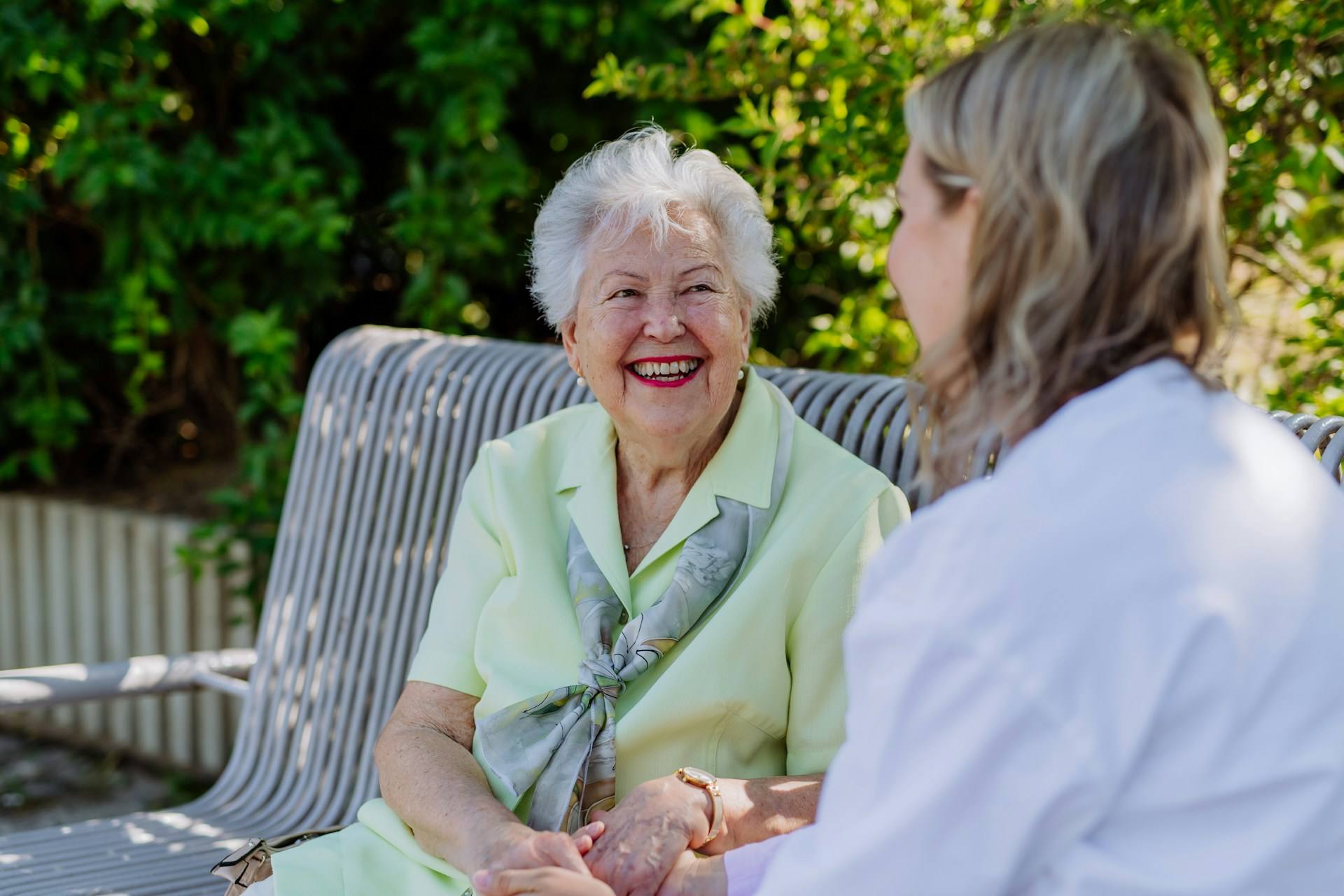
A daily checklist also supports elderly companionship in a powerful way. When your loved one knows what to expect, it can lower feelings of loneliness, confusion, and worry. Regular, kind attention helps them feel safe, seen, and respected in their own home.
In this guide, we share simple, non-medical ways to support seniors day by day. We will walk through ideas around meals, conversation, safety, errands, and comforting routines, and we will also touch on when it might be time to bring in extra help from a professional caregiver.
Morning Moments That Start the Day with Comfort
Morning sets the tone for the whole day. A gentle start can make your loved one feel cared for instead of rushed or pushed.
Begin with a calm wakeup and simple orientation check. You might:
- Open curtains to let in soft natural light
- Greet them by name and ask how they slept
- Offer a clear, kind “today is…” reminder with the day and date
- Mention any planned activities so the day feels more predictable
Next, move into personal care and basic safety checks. You are not providing medical care, just steady support and reminders. Helpful steps include:
- Reminding them about bathing or a sponge wash, if needed
- Helping them choose clothes that fit the weather and are easy to move in
- Encouraging brushing teeth, combing hair, and washing face
- Taking a quick look at walkways, rugs, cords, and pets underfoot
For many seniors, a nourishing breakfast and gentle medication reminders go hand in hand. You might offer simple, easy-to-eat foods, such as:
- Oatmeal or soft eggs
- Yogurt with fruit
- Whole-grain toast with a light spread
- Water, tea, or a small glass of juice
While you are at the table, you can give friendly reminders for prescribed medications or vitamins, without changing any doses or giving medical advice. This quiet time together builds trust and gives space for simple conversation about how they feel.
Midday Connection, Nutritious Meals, and Gentle Activity
By midday, energy can dip a little. A simple routine around lunch, light movement, and companionship helps keep the day steady.
Lunch does not have to be fancy to be helpful. Focus on:
- Easy, healthy foods they enjoy
- Colorful fruits and vegetables, when possible
- Enough fluids to support hydration
Sit together, even if you are sharing a quick meal. Ask open questions and listen. While you chat, notice any changes in appetite, chewing, or swallowing, and any signs of tiredness. If something seems different or worrying, make a note so you can share it with the appropriate health professional.
After lunch, gentle movement helps keep joints and mood in better shape. Depending on their ability and safety, you might suggest:
- A short supervised walk inside or in the yard
- Light stretching while seated
- Simple chair exercises for arms and legs
- Slow breathing together for relaxation
Mental engagement is just as helpful. Elderly companionship can look like:
- Working on an easy puzzle together
- Playing a simple card or word game
- Looking through a magazine and talking about the pictures
This is also a good time to share interests. Many seniors enjoy:
- Listening to favorite music
- Looking through old photo albums
- Tending to a few houseplants
- Light crafts, sorting tasks, or folding napkins
These shared moments are not just to pass the time. They remind your loved one that their stories, tastes, and memories still matter.
Safe Errands, Seasonal Outings, and Home Checkups
Errands and short outings can bring variety and joy, as long as they are planned with comfort and safety in mind. Try to avoid the hottest or most crowded times of day, and give plenty of time so no one feels rushed.
When planning errands, consider:
- Grouping tasks like grocery shopping and pharmacy visits on the same day
- Choosing locations with easy parking and smooth paths
- Bringing water, a light snack, and a small fan or hat in warm weather
- Allowing time for rest before and after leaving the house
During outings, simple, non-medical support goes a long way:
- Offer an arm or steady hand while walking
- Watch for curbs, steps, or uneven sidewalks
- Stay close in parking lots and busy spaces
- Carry small bags or heavier items so they are not strained
Back at home, a quick safety sweep can fit right into your daily checklist. Look at:
- Indoor temperature and airflow, especially during hot or humid days
- Working fans or AC set to a safe, comfortable level
- Clutter-free paths between bedroom, bathroom, and living area
- Good lighting and secure rugs that lie flat
Also watch for signs of overheating or dehydration, such as very dry lips, less talking, or unusual confusion. When you notice changes, share them with the right health professional for guidance.
Evening Routines, Calming Conversation, and Restful Nights
Evening is a chance to slow down and bring a sense of closure to the day. A simple dinner routine can be both nourishing and comforting.
You might invite your loved one to help in small ways, such as:
- Setting out napkins or silverware
- Stirring a bowl or washing a few vegetables
- Choosing music to play softly in the background
Keep dinner balanced but manageable. Smaller portions can feel less overwhelming. Try to make it a daily ritual of talking about the best part of the day, sharing gratitude, or planning one small thing to look forward to tomorrow. This turns a basic task into real elderly companionship.
After dinner, choose calm activities, like:
- Reading aloud from a favorite book or magazine
- Watching a familiar TV show together
- Listening to gentle music
- Working on an easy puzzle or quiet hobby
Evening is also when worries and repeated questions may surface. Patient, kind answers and simple reassurance help ease those feelings. You do not have to fix everything, just being present and steady can be deeply soothing.
As bedtime approaches, non-medical support can make the night safer and more peaceful:
- Lay out clothes for the next day
- Make sure night lights are on in the bedroom, hallway, and bathroom
- Clear pathways and remove any items that could be tripped over
- Place water, glasses, phone, and a tissue box within easy reach
These small steps support independence while lowering fall risks and nighttime anxiety.
Turning This Checklist Into Loving Daily Care
A long checklist can look overwhelming at first, so it helps to start small. Choose just a few items that fit your loved one’s needs right now, such as a morning greeting routine, a shared lunch, and an evening safety check. As those become comfortable habits, you can slowly add more pieces of care until the day flows in a natural rhythm.
There may be times when family members feel stretched thin or when a loved one’s needs change. That is often when bringing in professional, in-home companion care is helpful. At European Best Care, we focus on warm, personalized elderly companionship in the home, giving seniors steady support with daily routines, meals, conversation, and safety awareness. This kind of help can give families in our area more peace of mind, while helping older adults stay comfortable and respected in the place they love most, their own home.
Discover Compassionate Support For Your Loved One Today
If someone you love could benefit from trusted elderly companionship, we are here to help create meaningful, safe, and engaging days at home. At European Best Care, we listen carefully to your family’s needs and design support around your loved one’s personality, health, and routine. Reach out to us to discuss your situation, and we will guide you step by step in arranging care that brings comfort and peace of mind.